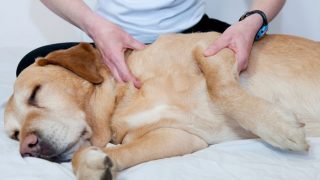
Rehabilitation

Extracorporeal shock wave therapy in the treatment of chronic tendinopathies.

Summary:

Many clinical trials have evaluated the use of extracorporeal shock wave therapy for treating patients with chronic tendinosis of the supraspinatus, lateral epicondylitis, and plantar fasciitis. Although extracorporeal shock wave therapy has been reported to be effective in some trials, in others it was no more effective than placebo. The multiple variables associated with this therapy, such as the amount of energy delivered, the method of focusing the shock waves, frequency and timing of delivery, and whether or not anesthetics are used, makes comparing clinical trials difficult. Calcific tendinosis of the supraspinatus and plantar fasciitis have been successfully managed with extracorporeal shock wave therapy when nonsurgical management has failed.

Conclusion:

Results have been mixed in the management of lateral epicondylitis, however, and this therapy has not been effective in managing noncalcific tendinosis of the supraspinatus. Extracorporeal shock wave therapy has consistently been more effective with patient feedback, which enables directing the shock waves to the most painful area (clinical focusing), rather than with anatomic or image-guided focusing, which are used to direct the shock waveto an anatomic landmark or structure.

Author & Journal:Sems A, et al, J Am Acad Orthop Surg 14:195-204, 2006

Emerging modalities in veterinary rehabilitation.

Summary:

Many new modalities have been introduced in human and veterinary physical rehabilitation. In many instances, there is sound theory of how they may impact the physiology of various cells, tissues, or organs.

Conclusion:

This article reviews some of the modalities that have been introduced recently in human and veterinary rehabilitation. Topics include low-level laser, phototherapy, and extracorporeal shock wave treatment.

Author & Journal:Millis DL, et al, Vet Clin Small Anim 35:1335-1355, 2005

Kinematics of stair ascent in healthy dogs.

Summary:

The purpose of the study was to evaluate the kinematic characteristics of pelvic limb joints in orthopaedically normal dogsduring stair ascent.

Conclusion:

All joints of the pelvic limb undergo a greater joint motion to ascend stairs.

Author & Journal:Durant AM, et al, Vet Comp Orthop Traumatol 24(2):99-105, 2011

Low level laser therapy for tendinopathy: evidence of a dose-response pattern

Summary:

This review assessed the effects of low-level laser therapy (LLLT) on pain from tendinopathy. The authors concluded that LLLT can reduce pain in subacute and chronic tendinopathy if a valid treatment procedure and location-specific dose is used. Differences among the studies were not examined and only the short-term outcomes were assessed. The authors’ conclusions may not be reliable.

Conclusion:

Thirteen RCTs with sixteen treatment comparisons were included (n approximately 789).

Nine RCTs using optimal laser treatment dose and power density found that LLLT reduced pain in patients with sub-acute and chronic tendinopathy compared with control (WMD 32%, 95% CI: 23, 41).

Nine RCTs using optimal laser treatment dose and power density and 4 RCTs not using optimal treatment parameters found that LLLT reduced pain compared with control (WMD 22%, 95% CI: 5.9, 36.1). There was a statistically significant difference between RCTs using optimal laser treatment dose and power density and those RCTs not using optimal treatment parameters (P<0.001).

The funnel plots suggested there was potential for some publication bias.

Author & Journal:Bjordal JM, et al, Phys Therapy Rev 2001;6:91-99

The role of synovial macrophages and macrophage-produced mediators in driving inflammatory and destructive responses in osteoarthritis.

Summary:

Here, we will review and comment on some recent work, involving both in vitro studies of human OA synovium and studies of OA pathology in animal models, which have strongly suggested that the inflamed synovium and activated syno- vial macrophages are important in promoting OA pa- thology. In particular, we will provide an overview of the role of synovial macrophages in promoting inflamma- tory and destructive responses in OA and the potential role of therapeutic strategies directed against macro- phages or macrophage-produced cytokines as remission- inducing agents in this disease.

Conclusion:

Although it remains most likely that the fundamental difference between OA and RA is found at the level of cartilage and bone rather than in the synovium, the above findings would certainly stimu- late interest from academia and industry to investigate intracellular signaling and cytokine biology in OA syno- vium, in the search for potential therapeutic targets.

Author & Journal:Bondeson, Jan, et al, Arthritis Rheum. 2010 Mar;62(3):647-57. doi: 10.1002/art.27290

Evaluation of the clinical effects of diet and physical rehabilitation in dogs following tibial plateau leveling osteotomy

Summary:

To assess clinical effects of an omega-3 fatty acid and protein-enriched diet, physical rehabilitation, or both in dogs following tibial plateau leveling osteotomy (TPLO) and arthroscopic surgery for cranial cruciate ligament (CCL) disease.

Conclusion:

Feeding the TF and providing physical rehabilitation during the first 6 months after TPLO were associated with improvements in some indices of clinical outcome and function in dogs. Significant interactions between time and some outcome variables were observed, indicating further research is warranted.

Author & Journal:Baltzer WI, et al, J Am Vet Med Assoc 252:686-700, 2018

The evaluation of extracorporeal shockwave therapy in naturally occurring osteoarthritis of the stifle joint in dogs.

Summary:

Extracorporeal shockwave therapy (ESWT) has expanded from the original uses of human urinary calculi treatment to veterinary orthopaedic applications. This paper investigates the feasibility and efficacy of treating dogs with osteoarthritis of the stifle joint with ESWT.

Conclusion:

The subjective data provided by client questionnaire did not show significant difference between groups.

Author & Journal:Dahlberg J, et al, Vet Comp Orthop Traumatol 18(3): 147-52, 2005

In vivo tissue temperature comparison of cryotherapy with and without external compression.

Summary:

To compare the tissue-cooling efficiency of external cryotherapy with and without adjunctive compression.

Conclusion:

Externally applied instant cold packs in a dog model caused local tissue hypothermia that peaked by 20 minutes, persisted for at least 1 hour, and was significantly augmented by adjunctive compression. Further research is needed to evaluate the clinical efficacy and safety of these interventions in the management of acute soft-tissue injuries.

Author & Journal:Barlas D, et al, Ann Emerg Med 28:436-439, 1996