
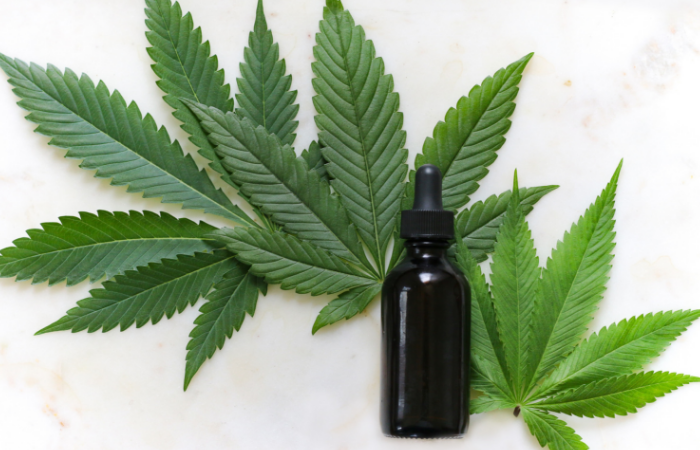
The use of cannabis to manage medical conditions, including osteoarthritis, is gaining acceptance among pet owners. However, most of the use of cannabis is not under the direction of a veterinary professional. Rather, pet owners are seeking information and products from pet stores or other sources.
The water is murky when it comes to what veterinarians can and cannot discuss or prescribe when it comes to cannabinoid products, and there are differences in regulations between states. However, as medical professionals, we must have a basic understanding of the medicinal properties of cannabis and if and when appropriate, provide guidance to our clients in their safe use.

Check out the guest article below by Stephen Cital to help you understand the science and recommendations around cannabis.
Stephen Cital is the co-founder of the Veterinary Cannabis Academy and a consultant and research librarian for VeterinaryCannabis.org. This is a site dedicated to teaching veterinary professionals the scientific evidence behind medical cannabis. For much more information on veterinary cannabis, visit www.veterinarycannabis.org
The Use of Cannabinoids for the Alleviation of Discomfort from Osteoarthritis in Dogs
Stephen Cital RVT, SRA, RLAT, VCCS, VTS-LAM (Res. Anesthesia)
There are some fundamental distinctions in terminology one must make on the topic of medical cannabis. The first distinction is between a “marijuana” plant versus a “hemp” plant. Both plants belong to the genus “Cannabis.” The marijuana plant is in the same gene pool as the hemp plant, but it has been purpose bread for higher levels of delta-9-tetrahydrocannabinol (THC), the psychotropic agent people seek to get “high.” Whereas, the hemp plant has much lower levels of THC (less than 0.3%) and has been used for thousands of years as a medicine, fiber, and other industrial purposes.
“Phytocannabinoids” are a group of over 100 molecules extracted from marijuana or hemp plants that act on the endocannabinoid system (ECS). The ECS is an extensive group of endogenous cannabinoid receptors found in every vertebrate, both centrally (in the brain) and peripherally. In fact, the ECS receptors belong to a group of g-coupled protein receptors, the same family that dopamine, opioid and serotonin receptors belong to. This ECS is responsible for a variety of homeostatic processes, with more roles being discovered every year.
ECS History
The ECS was first discovered after the isolation of the phytocannabinoid THC in 1964. Since then, research continued with the isolation of another phytocannabinoid, cannabidiol (CBD), and the corresponding receptors CB1 and CB2. In 1992 the endogenous agonist for the CB1 receptor was discovered; this endocannabinoid is known as anandamide. The discovery of anandamide was the key to unlocking the bliss, anxiolytic and other positive attributes people seek with THC use. Two years later, 2-arachidonoylglycerol (2-AG), another endogenous agonist for the CB1 and CB2 receptors, was described in much larger amounts compared to anandamide in the CNS. There are currently five endogenous cannabinoids described with the most studied being anandamide and 2-AG. Research continues in this field and there is a current debate to name the GCPR55 receptor the “CB3” receptor.
Scientists have suspected there are other endocannabinoids yet to be described, and several synthetic versions are currently being researched and developed. Endocannabinoids are not systemically stored but are generated in response to a depolarization-induced rise in intracellular calcium or activation of various receptors. Having endogenous agonists for receptors of the ECS gives validation to the importance of the ECS and the relevance of using plant-derived phytocannabinoid molecules to safely and effectively treat or alleviate numerous conditions/symptoms including pain related to osteoarthritis.
CBD Science
The science behind the use of CBD is very complicated and more is being understood daily. The focus of this article will primarily be on the use of CBD, yet it is also important to mention other more common phytocannabinoids such as cannabidiol acid (CBDa), cannabinol (CBN), cannabidivarin (CBDV), cannabichromene (CBC), cannabigerol (CBG) and terpenes. As mentioned above, there are over 100 different phytocannabinoids we currently know of.
Various receptors are responsible for pain modulation. When it comes to the role of the ECS in pain modulation, the CB1 receptor is vital. These receptors are present throughout the CNS (parts of the spinal cord, periaqueductal grey, basal ganglia, and cerebellum). They play a role in memory processing, which may have effects on pain perception, post-traumatic stress disorder, and pain anticipation. Within the CNS the endogenous endocannabinoids (the naturally occurring kind like anandamide) have post-synaptic neuron release, binding to presynaptic CB1 receptors, resulting in the inhibition of GABA or glutamate release. We also see inhibition of the neuronal release of acetylcholine, dopamine, histamine, serotonin, cholecystokinin, D-aspartate, glycine and noradrenaline.
Cannabinoids have been shown to act not only at cannabinoid receptors but also at the TPRV1 (Vanilloid) and serotonin 5-HT3 receptors. Interestingly, acetaminophen (should never be considered in cats) is also an agonist at the vanilloid, mu, CB1 and the CB2 receptors which may be responsible for its analgesic effects. Acetaminophen’s active metabolite is known as N-arachidonoyl-aminophenol (AM404). AM404 has its roll on the ECS as an anandamide inhibitor, which prevents signaling back from the synaptic cleft and creating other signaling disturbances. AM404 also has inhibiting effects at the COX1 and COX2 level, further decreasing inflammation and pain. Of note, large-scale inhibition of anandamide or naturally low levels of this endocannabinoid can lead to hyperalgesia.
As anandamide and 2-AG are easily degraded bioactive lipids, the use of phytocannabinoids to supplement low levels of endocannabinoids has been advocated. Moreover, and most crucial -CBD helps prevent the natural breakdown of endocannabinoids creating a synergistic effect between natural endocannabinoids and phytocannabinoids. Other synergistic effects occur with terpene levels and phytocannabinoids in various strains of hemp plants that will not be discussed further in this article.
Activation of CB2 receptors results in inhibition of pro-inflammatory cytokine production and increased release of anti-inflammatory cytokines. CB2 receptors have also been shown to indirectly mediate opioid receptors in primary affect pathways, thereby showing primary analgesia and synergism with opioids. It is important to note CB2 expression can also affect the immune system and may not be ideal for all patients on immunotherapy agents. Cannabinoids have shown to provide an increased susceptibility to viral and protozoal infection in some animal models, but also anti-neoplastic, anti-bacterial and anti-viral effects in other animal models.
Cannabis in Veterinary Medicine
The use of marijuana and hemp plant components in veterinary medicine is growing rapidly. Unfortunately, it is growing faster than most practitioners (veterinarians and nursing staff) can educate themselves with scientifically based studies. Because cannabis is still commonly used and thought of as a recreational drug, it is difficult for many medical practitioners to accept the idea of using components of this plant species, especially without FDA regulation or approval.
This implicit bias, the confusing legal issues, and the many misconceptions surrounding recreational marijuana make veterinary professionals shy away from learning about the potential benefits of cannabinoids. This cycle is perpetuated by confusing advertising of medical cannabis which uses marijuana/hemp leaves- bringing to mind images of bongs, joints, giggle attacks while eating a cheeseburger, or three…thereby perpetuating this implicit bias.
Since the legalization of medical marijuana in some states began, the Animal Poison Control hotline has seen a 330% increase in THC toxicities. There is no question about the risk and occurrence of THC toxicity in animals. However, THC is generally not a concern with products formulated using hemp plants (<0.3% THC). It should be stated there are no reported deaths (animals or humans) that can be distinctly attributed to THC or other phytocannabinoids without other chemicals also present in the system. The suspected lethal dose of THC in dogs is >9g/kg, a nearly impossible dose to achieve. Lethal doses of CBD have not been established with testing in rodents topping out at 3g/kg with no adverse events.
Cannabis component products are also becoming popular with very few companion animal studies to back appropriate dosing, efficacy, and safety. However, we now have the results from three studies, one conducted at Colorado State University (CSU), one sponsored by GW Pharma and another sponsored by ElleVet Sciences at Cornell University to help shed light on effective and safe dosing of CBD products in dogs. Data has shown in all three studies that the non-psychoactive cannabinoids, primarily CBD, have a wide safety margin with only minimal side effects.
In the study conducted at CSU, diarrhea was common in research cohorts, along with an elevated ALP. Interestingly, this was not associated with the elevation of any other liver values (GGT, Bile Acids or ALT). It is suspected that the increase in ALP is a response to cannabinoid metabolism through the CYP450 pathway. Moreover, the dose used in the study was significantly higher than what the leading cannabis experts and final conclusions will recommend.
The data out of Cornell suggests a 2 mg/kg dose BID for the product they used made by ElleVet Sciences. We also know these products are safe to use with NSAIDs, gabapentin, opioids, amantadine and can even lower the dose required of each. Dr. Wakshlag of Cornell University even stated in a memo that ElleVet’s industrial hemp product was “efficacious for pain in dogs with osteoarthritis, chronic joint pain, and geriatric pain and soreness; with dramatic beneficial effects in our more geriatric patients.”
Summary, please!
What does all this mean? Phytocannabinoids, such as CBD and THC, act on the largest homeostatic system in the body known as the endocannabinoid system (ECS). Every creature’s physiology strives to maintain homeostasis; however, trauma and disease can interrupt this process. Phytocannabinoids, more specifically CBD, are excellent in the neurotransmission of the ECS and strive to keep the body as balanced as possible. Endocannabinoid receptors are found in the brain and throughout the body. Animal models have identified a role for endocannabinoid receptors CB1 & CB2 activation in reducing acute, chronic, neuropathic, and visceral pain. When we use molecules that create homeostasis by facilitating either upregulating or downregulating homeostatic systems, we rarely see a negative consequence. Most pharmaceuticals we use in practice only up- or downregulate a specific system. Hence, we see potential side effects.
While veterinary research continues to find the optimal scientifically based dose and full potential of the efficacy of CBD, anecdotal dosing (now with science-backed data) has been described from 0.5-7mg/kg PO q12 hours for dogs. Other sources have suggested higher dosages without adverse effects. When dosing we must consider all of the plant-derived products are dynamic and no two will be exactly alike. The ECS is also dynamic and each patient will respond differently. It is ideal to start with a low dose and increase to the desired effect over time.
Landa, L., Sulcova, A., Gbelec, P. (2016) The use of cannabinoids in animals and therapeutic implications for veterinary medicine: a review. Veterinarni Medicina, 61 (3), 111-122. doi: 10.17221/8762-VETMED
Meola, S. D., Tearney, C. C., Haas, S. A., Hackett, T. B., & Mazzaferro, E. M. (2012). Evaluation of trends in marijuana toxicosis in dogs living in a state with legalized medical marijuana: 125 dogs (2005-2010). Journal of Veterinary Emergency and Critical Care, 22(6), 690-696. doi:10.1111/j.1476-4431.2012.00818.x
Kogan, L. R., PhD, Hellyer, P. W., DVM, MS, DACVA, & Robinson, N. G., DO, DVM, MS, FAAMA. (2016). CONSUMERS’ PERCEPTIONS OF HEMP PRODUCTS FOR ANIMALS. Journal of the American Holistic Veterinary Medical Association, 42(Spring), 40-48. Retrieved from http://www.ahvma.org/wp- content/uploads/AHVMA-2016-V42-Hemp-Article.pdf
More references available upon request.